

















Step 6: Consider Complementary and Supportive Therapies
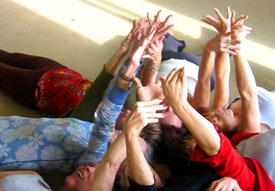
Many people find improved wellbeing, stress reduction, and relief of symptoms and treatment side effects through complementary therapies such as acupuncture, naturopathy, yoga, and massage. You can learn more about Complementary Therapies at our Retreats and Navigating Cancer Programs or online at the National Center for Complementary and Alternative Medicine.
- Acupuncture – Acupuncture is often sought by those undergoing conventional cancer treatment to lessen side effects, including nausea and fatigue. It can be a useful adjunct to pain medication and some evidence points to increased immune function. Patients report improved sleep, digestion and appetite.
- Bodywork & Oncology Massage – There are many forms of bodywork, each with its own benefits. These include Alexander Technique, Craniosacral Therapy, massage, Polarity Therapy, Rolfing, and Shiatsu. Note: Concern has been expressed over the use of vigorous bodywork in the presence of metastatic disease. Please consult with your oncologist prior to starting any bodywork.
- Naturopathy – Naturopathy focuses considerable attention on nutrition to improve immune function and strengthen the body; can help reduce the side effects of treatment; relieves the burden of minor illnesses and can relieve depression and anxiety.
- Reiki & Energy Healing – Reiki is one form of energy healing, along with healing touch, therapeutic touch, Barbara Brennan Energy Healing and others. Anecdotal reports credit this modality with decreasing stress and anxiety, reducing fatigue, increasing stamina and deepening emotional and spiritual growth. It’s also reported to aid in the recovery of emotional and physical trauma and may minimize the side effects of conventional cancer treatments.
- Yoga, Meditation, QiGong & Tai Chi – In general, these practices can improve relaxation and reduce stress; ease anxiety and depression; support the immune system, decrease pain; improve alignment, circulation and flexibility; and lower heart and respiration rates.
What to do if you are diagnosed with cancer:
The following resources may be useful to you as you chart your course and make decisions about your care and the way you want to live through your experience with cancer.